
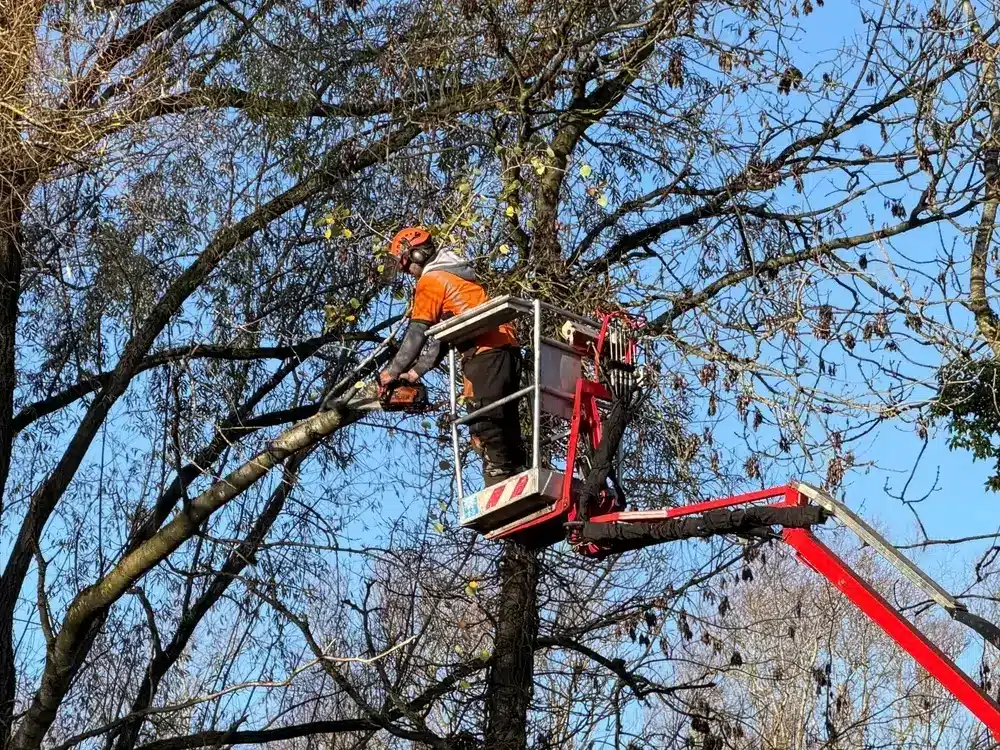
In the forestry and vegetation management sector, training boom lift operators is essential to ensure both field safety and operational efficiency. Forest environments present unique challenges that require specialized skills and thorough preparation. Whether you supervise a team of arborists or want to improve the performance of your operators, these training tips will help develop the essential skills needed for safe and productive work at height.
Safety fundamentals for aerial lift operators
Safety training is the foundation of any effective boom lift operator training program. Before even stepping onto a platform, every operator must understand pre-operation inspection procedures. These daily checks include verifying hydraulic systems, tire condition, control functionality, and the structural integrity of the lift.
The correct use of personal protective equipment (PPE) is another critical component. Operators must be trained to consistently wear safety harnesses, properly attach them to the lift anchor points, and use helmets designed for working at height. Training should also cover emergency procedures, including evacuation protocols and emergency descent techniques.
Weather conditions are a critical factor in forest environments. Operators must learn to evaluate risks related to wind, rain, or fog and understand when it is necessary to suspend operations to maintain safe working conditions.
Operational techniques specific to forest environments
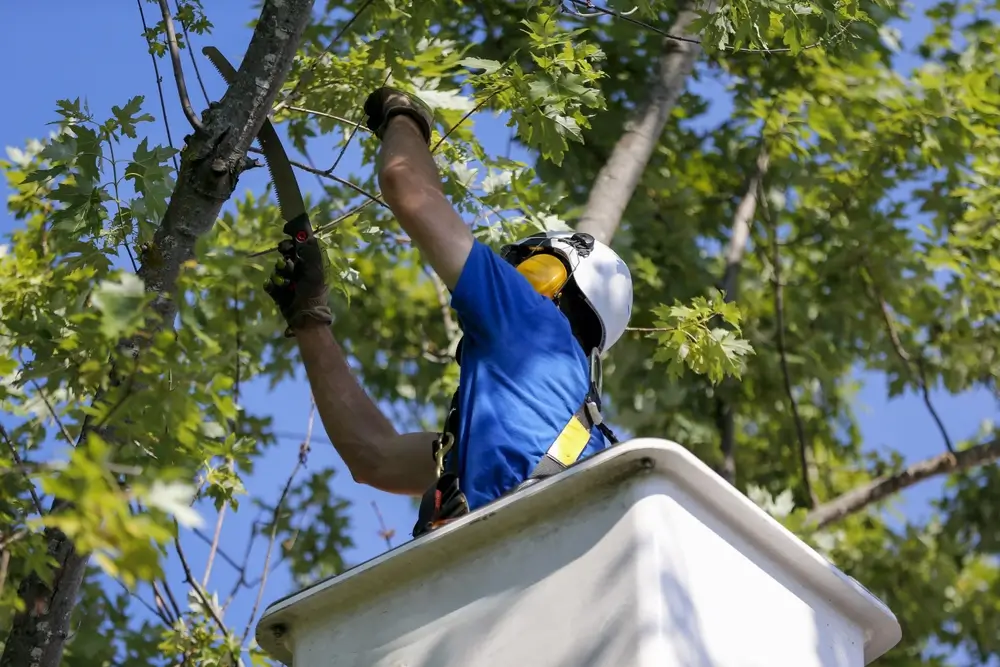
Working in forest areas introduces specific constraints that require adapted techniques. Training should emphasize navigation on uneven terrain and the stabilization of aerial lifts on irregular ground surfaces. Operators must understand how to use stabilizers properly and evaluate ground load capacity before positioning equipment.
The proximity of trees and dense vegetation requires specialized training in precision maneuvering. Operators must learn to position the platform accurately while avoiding contact with branches that could damage equipment or compromise stability. Lateral movement techniques and controlled rotation are particularly important in confined forest environments.
Coordination with ground crews is another essential aspect. Operators must be familiar with standardized communication signals and understand their role in coordinated pruning, trimming, or vegetation management operations.
Training tips for boom lift operators: developing advanced skills
Once the basics are mastered, training should progress toward developing advanced skills tailored to the challenges of the forestry sector. This includes learning optimal positioning techniques for different types of interventions such as selective pruning, controlled tree removal, or infrastructure maintenance.
Training on various types of aerial lifts is also highly beneficial. Each model—articulated, telescopic, or hybrid—has specific characteristics that influence operational techniques. Operator versatility significantly improves team efficiency and operational flexibility.
The integration of modern technologies into training is becoming increasingly important. GPS positioning systems, stability sensors, and advanced control interfaces require continuous skill development. Training programs should include these technological aspects to prepare operators for next-generation equipment.
Practical training methods and skill evaluation
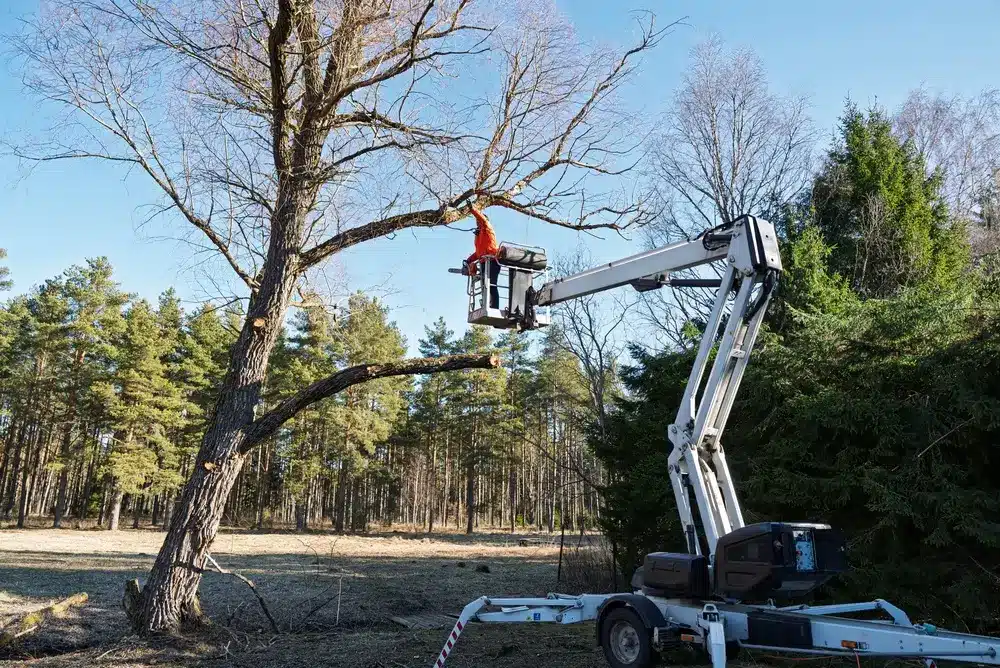
The effectiveness of training largely depends on the teaching approach used. Combining classroom sessions with practical exercises allows for better understanding and skill retention. Driving simulators, when available, provide a safe environment for practicing complex maneuvers.
Implementing a progressive evaluation system helps measure operator progress and identify areas that require additional training. Practical field assessments should replicate real working conditions, including environmental constraints and unexpected situations.
Mentorship from experienced operators is also a valuable complement to formal training. This approach enables the transfer of field-tested knowledge and best practices. Ongoing training and periodic refresher sessions ensure that skills remain up to date and aligned with industry developments.
Certification and regulatory compliance
The regulatory aspect of operator training cannot be overlooked. Operators must obtain required certifications according to local and industry regulations. These certifications typically cover the operation of lifting equipment, working-at-height safety procedures, and forestry-specific operational guidelines.
Maintaining detailed training records helps track operator qualifications and demonstrate compliance during inspections. Training traceability is also beneficial for insurance and liability purposes.
Training programs should be regularly updated to reflect regulatory changes and evolving industry best practices. Staying informed about these requirements ensures that operators remain compliant with current standards.
Investing in high-quality training for your boom lift operators is a key success factor in the forestry industry. By combining safety, technical skills, and regulatory compliance, you improve both team performance and your company’s reputation. To receive personalized advice on training programs and equipment solutions suited to your specific needs, contact our team of experts who will help support the development of your operational capabilities.